
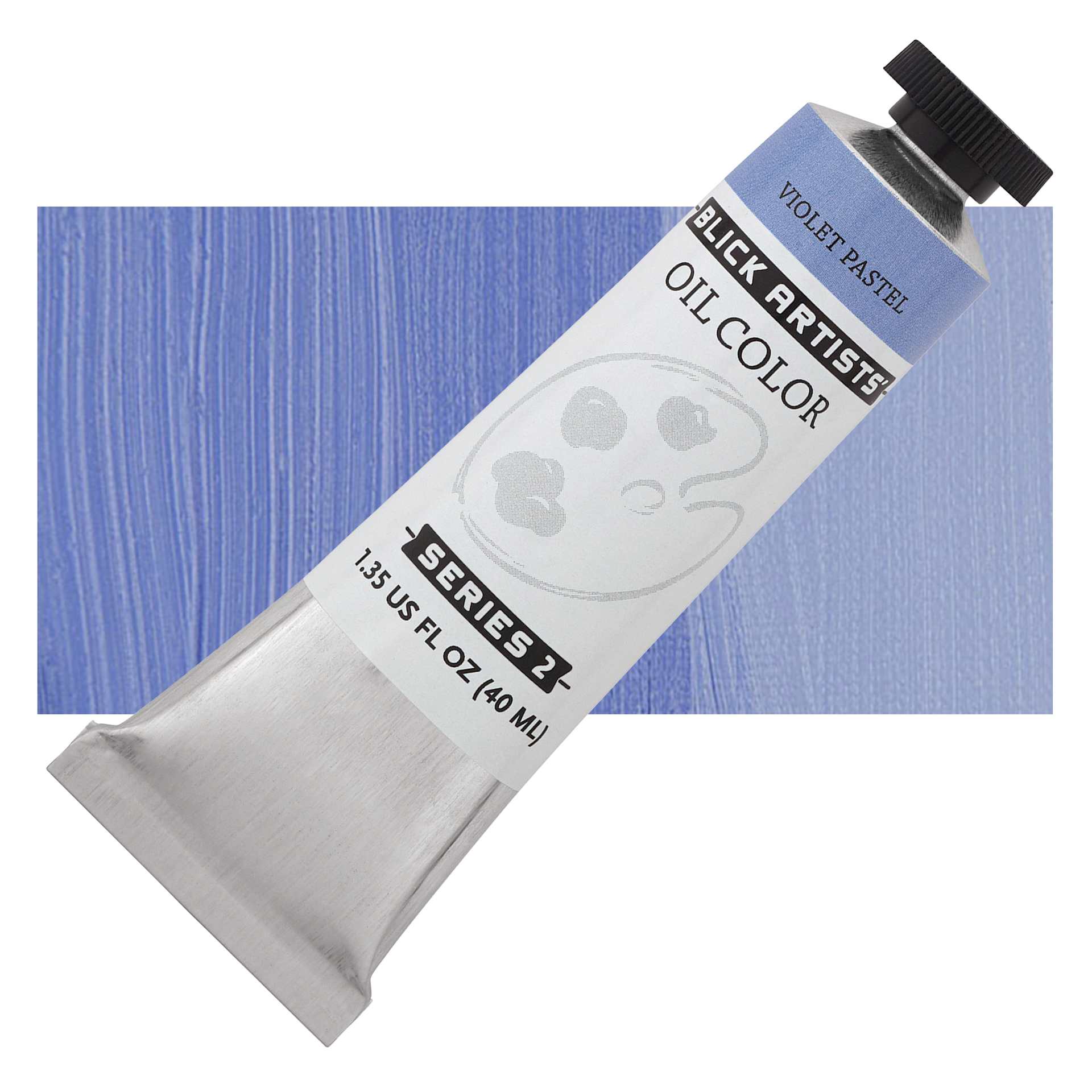
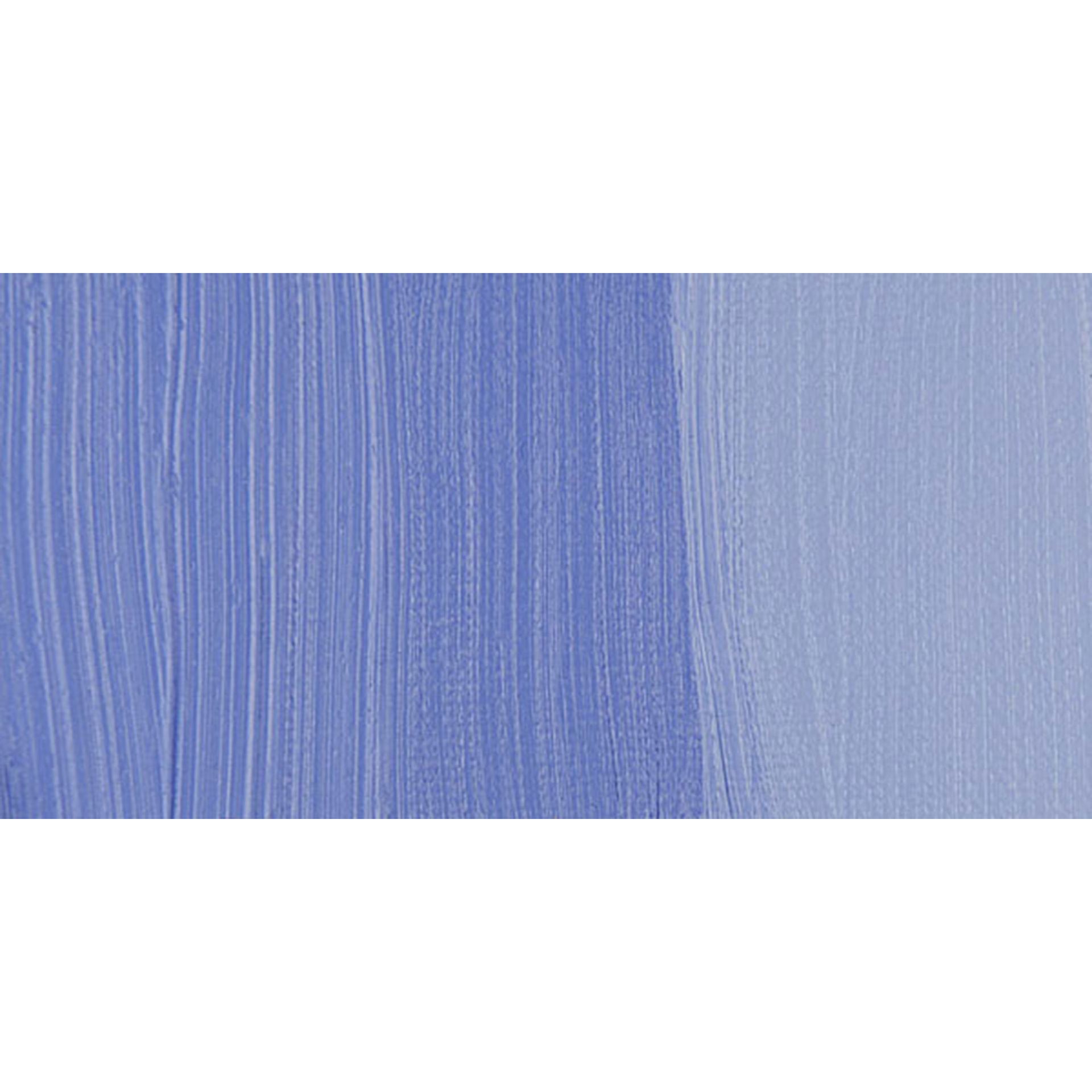
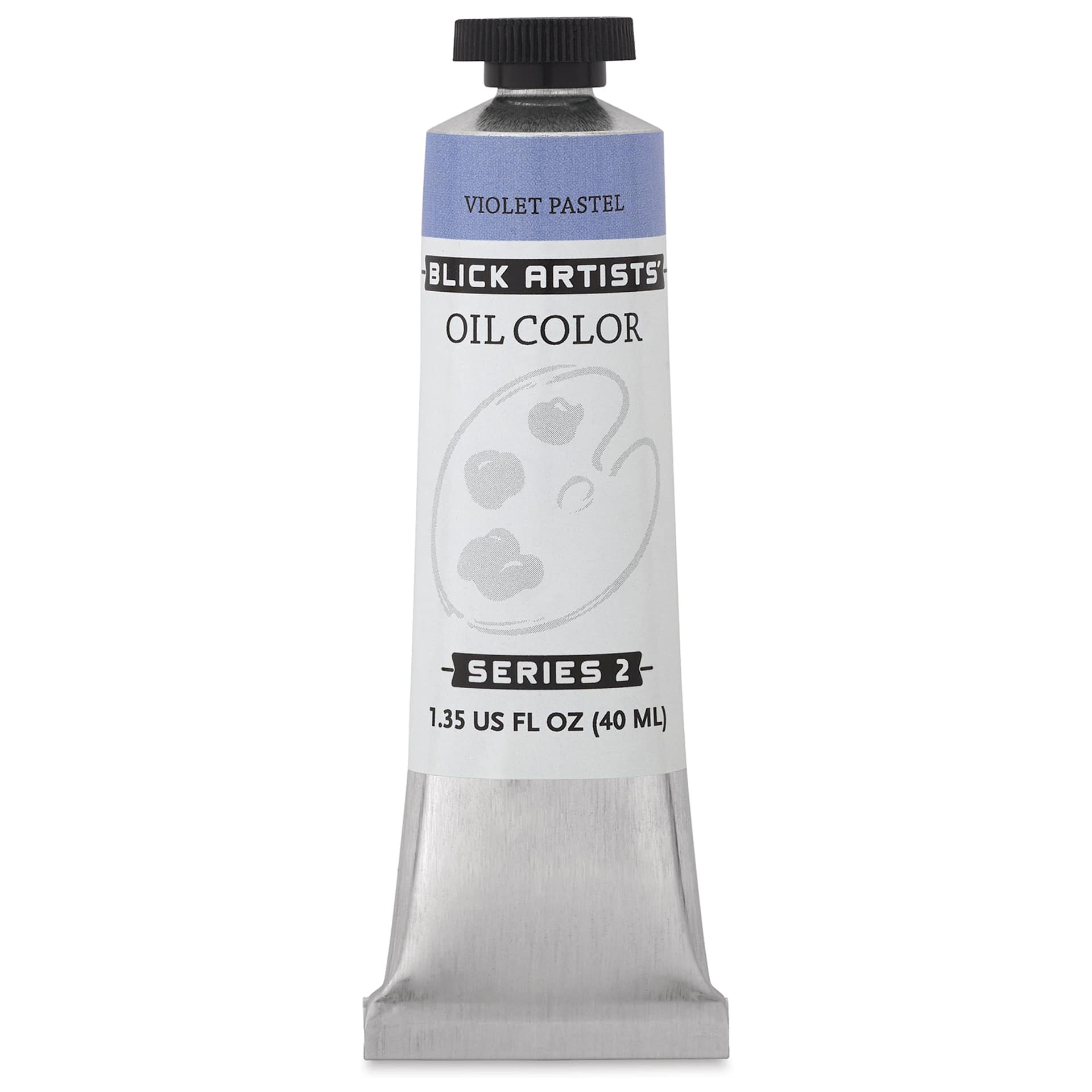
Blick Artists' Oil Color - Violet Pastel, 40 ml tube
Save For Later
My Wish Lists
Product Details
- No.
- 901
- Description:
- Artist Oil Paint
- Color:
- Violet Pastel
- Size:
- 40 ml (1.35 oz)
- Format:
- Tube
- Series:
- 2
Note on select colors - Raw Umber, Raw Sienna, Burnt Sienna, Indian Yellow, Permanent Tuscan Earth, Olive Green, and Sap Green were originally formulated with mineral spirits, which may result in a slightly stronger scent. This does not affect the quality, performance, or permanence of the paint.
The formula has since been updated to remove mineral spirits. Due to mixed stock, you may receive either version. If you prefer a consistently low-odor option, consider Utrecht Artists' Oil Paint . For product questions, email our Product Information team Info@dickblick.com or call 1-800-933-2542. For existing orders, email orders@dickblick.com or call 1-800-828-4548.
Colors on Monitors -
Due to differences in users’ monitors, the colors presented are an approximation of the true color.
Reviews
Pigment Information
This color contains the following pigments:
PV16-Manganese Violet
PW6-Titanium White
PB29-Ultramarine [Blue]
Pigment Name
PV16-Manganese Violet
Pigment Type
inorganic
Chemical Name
manganese ammonium pyrophosphate
Chemical Formula
(NH4)2Mn2(P2O7)2 - Mn3(PO4)2 * 3H2O or H4O7P2H3NMn
Properties
Manganese Violet is a semi-transparent, bluish-violet pigment with a discrete opacity and low tinting strength. It is the reddest of the violets, and it covers and dries well in oil and tempera. It also performs well in pastel, encaustic, and watercolor. Manganese Violet is not well suited for fresco or acrylic painting. There can be significant differences in color across brands. It shares similar properties with bluish shades of Cobalt Violet.
Permanence
Manganese Violet has excellent permanence and lightfastness, and it is one of the most lightfast, balanced violets in watercolor form.
History
This pigment was developed in 1868 by E. Leykauf to replace the more expensive Cobalt Violet. It was not offered as an artists’ pigment until 1890.
Pigment Name
PW6-Titanium White
Pigment Type
inorganic
Chemical Name
titanium dioxide
Chemical Formula
TiO2
Properties
Titanium White is the most brilliant of the white pigments. It is considered an all purpose oil color useful in all techniques and the best all around white. Its masstone is neither warm nor cool, placing it somewhere between Lead White and Zinc White. It is less prone to cracking and yellowing than Lead White, but it still yellows easily. Titanium White dries slowly in oil form, more slowly than Lead White but more quickly than Zinc White. It is opaque in oil and acrylic forms and semi-opaque in watercolor form. This pigment has good chemical stability, and its tinting strength is superior to both Lead White and Zinc White.
Permanence
Titanium White has excellent permanence and lightfastness.
History
Titanium is the ninth most abundant element in the Earth's crust, however mineral deposits that are economical to mine are less common. Titanium dioxide was first discovered in 1821, although it could not be mass produced until 1919. Widespread use of the pigment began in the 1940s. Since that time, it has become the most commonly used white pigment. The name comes from the Latin word Titan, the name for the elder brother of Kronos and ancestor of the Titans, and from the Greek word tito, meaning day or sun.
Pigment Name
PB29-Ultramarine [Blue]
Pigment Type
inorganic
Chemical Name
complex silicate of sodium and aluminum with sulfur
Chemical Formula
Na8-10Al6Si6O24S2-4 or Na6-8Al6Si6O24S2-4
Properties
Ultramarine is the standard warm blue, a brilliant blue pigment that has the most purple and least green in its undertone. It has a moderate to high tinting strength and a beautiful transparency. Synthetic Ultramarine is not as vivid a blue as natural Ultramarine. Ultramarine dries slowly in oil and tends to produce clean, though granular, washes in watercolor. French Ultramarine mixes well with Alizarin colors in oil and watercolor form to create a range of purples and violets. It can dull when mixed with white in acrylic form, but mixes well with other colors. The shade varies based on manufacturer. Considered a great color for glazes, it is not suitable for frescoing.
Permanence
Ultramarine has excellent permanence, although synthetic Ultramarine is not as permanent as natural Ultramarine. It may discolor if exposed to acid because of its sulfuric content.
History
The name for this pigment comes from the Middle Latin ultra, meaning beyond, and mare, meaning sea, because it was imported from Asia to Europe by sea. It is a prominent component of lapis lazuli and was used on Asian temples starting in the 6th century. It was one of the most expensive pigments in 16th century Europe, worth twice its weight in gold, and so was used sparingly and when commissions were larger. Ultramarine is currently imitated by a process invented in France in 1826 by Jean Baptiste Guimet, making blue affordable to artists and extending the range of colors on their palettes.
Safety Data Sheet
UPC Code: 741389064411