
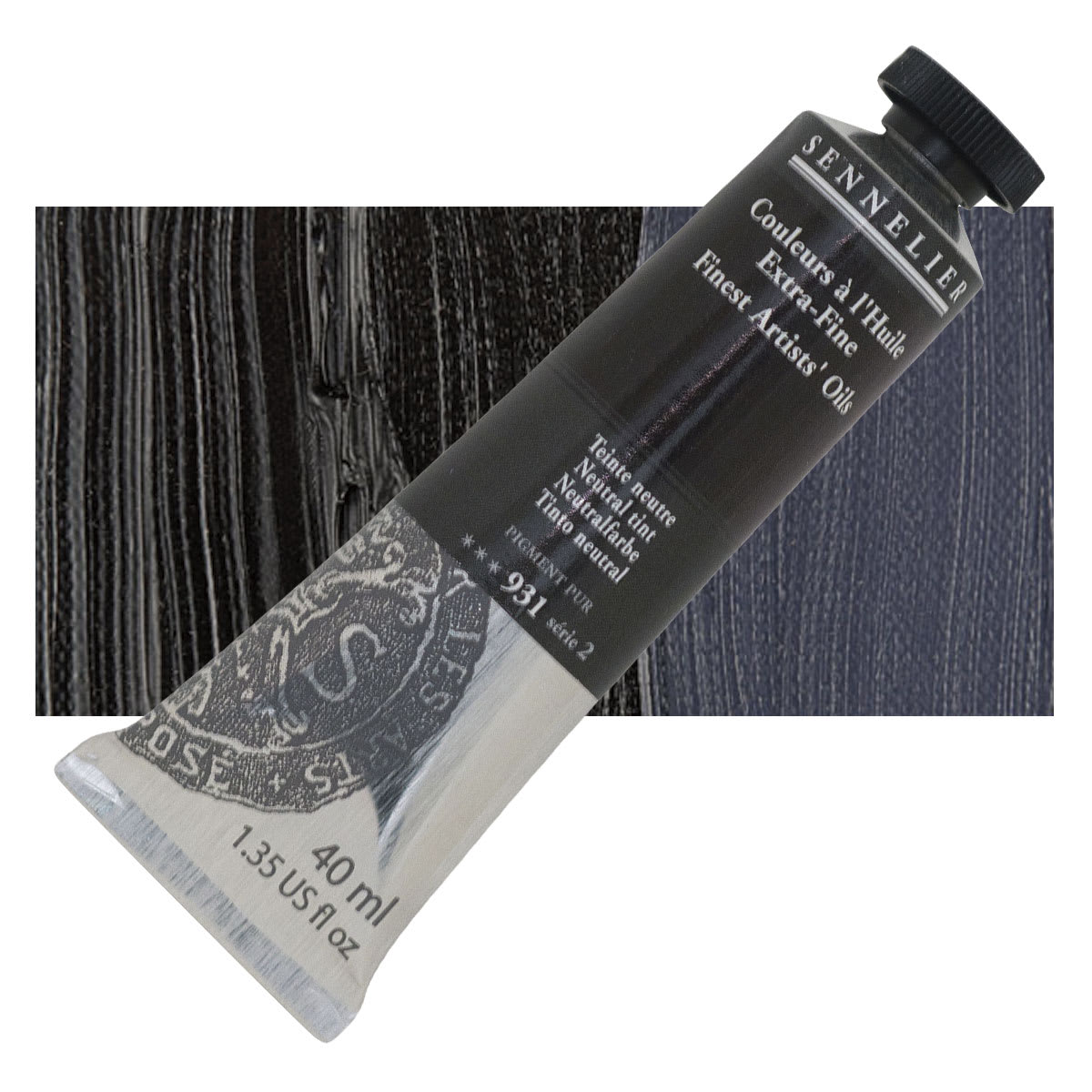
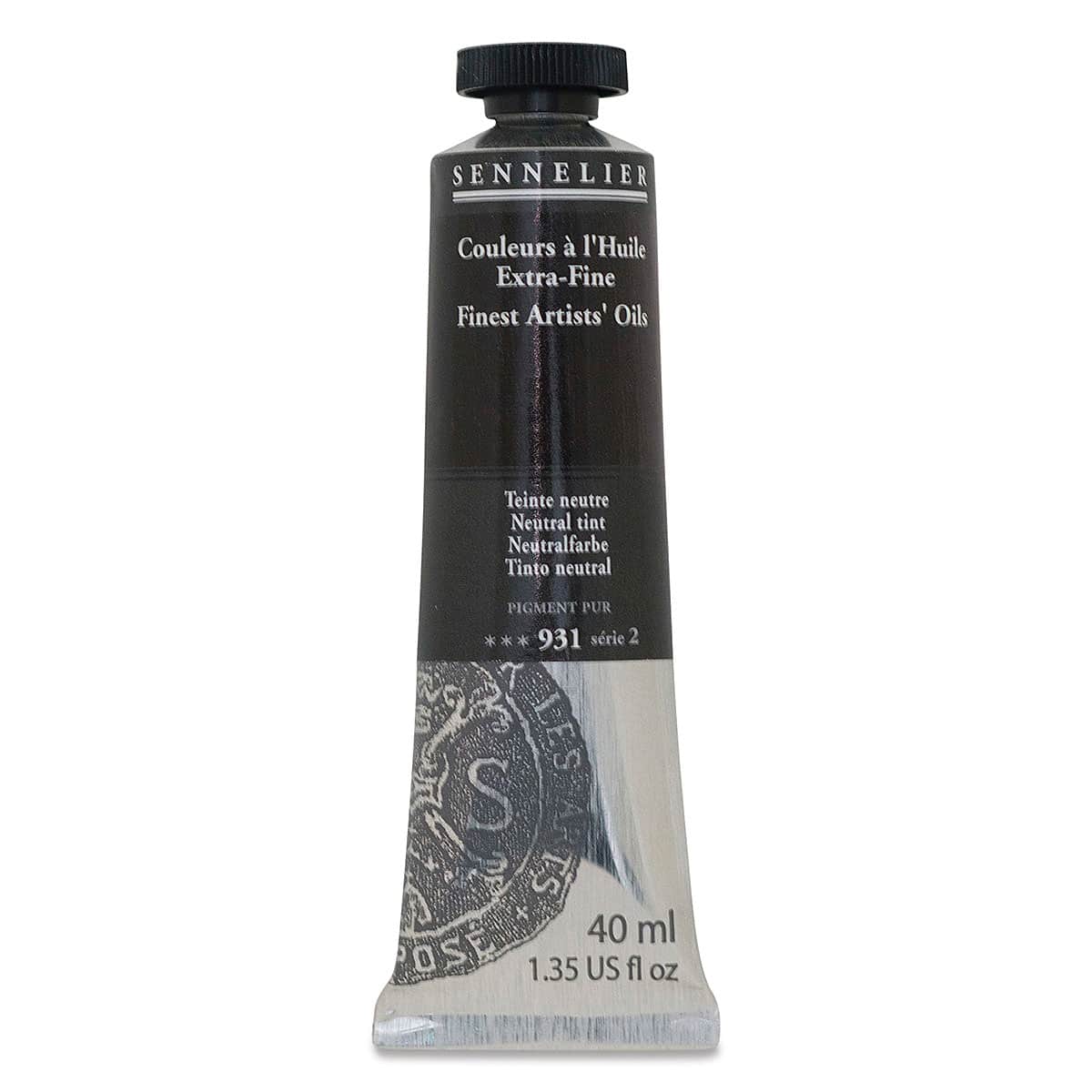
Sennelier Artists' Extra Fine Oil Paint - Neutral Tint, 40 ml tube
Save For Later
My Wish Lists
Product Details
- No.
- 931
- Description:
- Artist Oil Paint
- Color:
- Neutral Tint
- Size:
- 40 ml (1.35 oz)
- Format:
- Tube
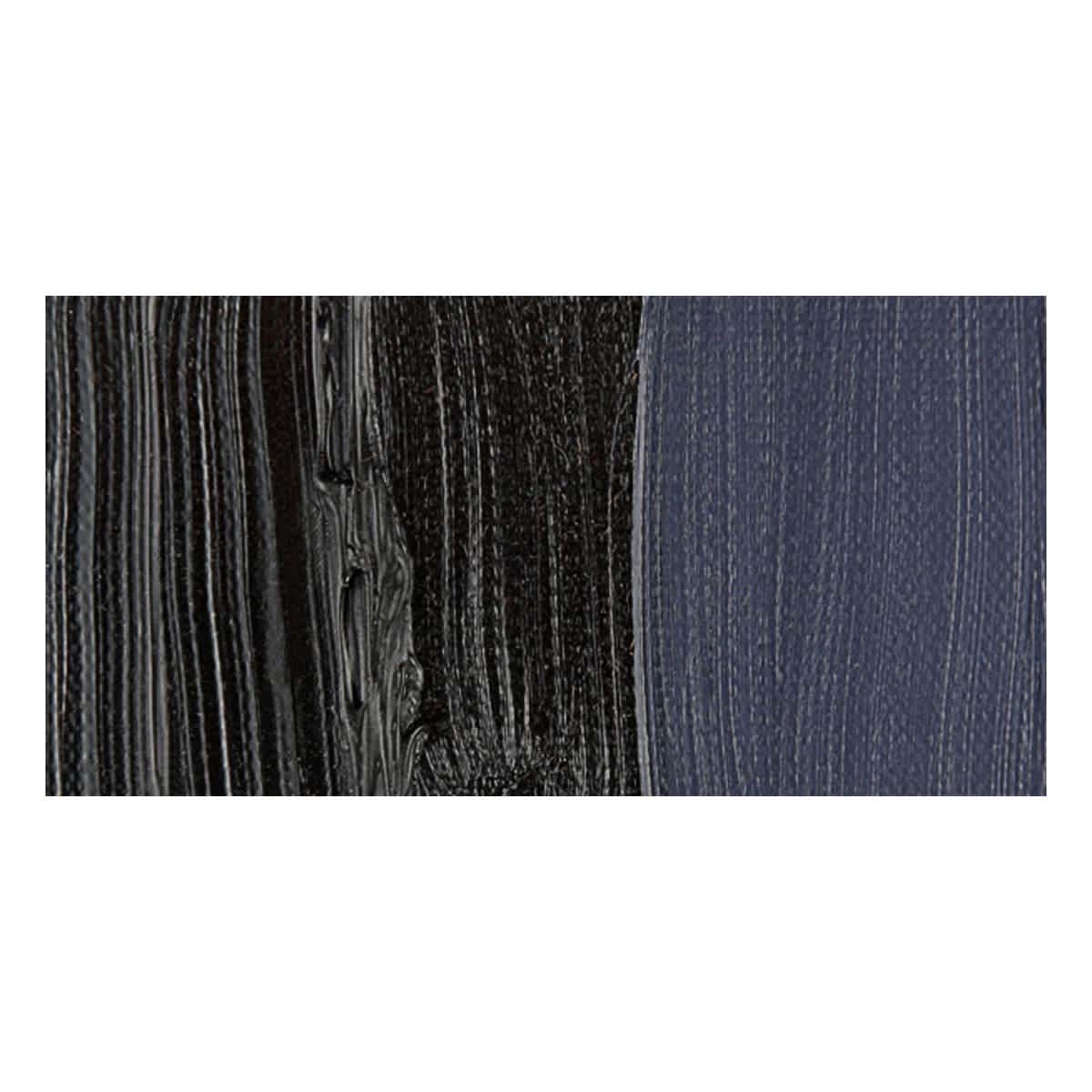
Colors on Monitors -
Due to differences in users’ monitors, the colors presented are an approximation of the true color.
Reviews
Pigment Information
This color contains the following pigments:
PR209-Quinacridone Red
PBk9-Ivory Black
PB60-Indanthrene Blue
Pigment Name
PR209-Quinacridone Red
Pigment Type
organic, quinacridone
Properties
Quinacridone Red is a bright, clean red pigment with average drying time. Quinacridone pigments have relatively low tinting strength in general. For this reason, quinacridone colors are often expensive, because more pigment is required in the formulation.
Permanence
Quinacridone Red has excellent permanence and lightfastness.
History
Although quinacridone compounds became known in the late 19th century, methods of manufacturing so as to make them practical for use as commercial pigments did not begin until the 1950s. Quinacridone pigments were first developed as coatings for the automotive industry, but were quickly adopted by artists.
Pigment Name
PBk9-Ivory Black
Pigment Type
charred animal bone
Chemical Name
carbon + calcium phosphate
Chemical Formula
C + Ca3(PO4)2 or C x CaPO4
Properties
Ivory Black is a cool, semi-transparent blue-black with a slight brownish undertone and average tinting strength. It mixes well with any color, and creates a range of dull greens when mixed with yellow. It has good properties for use in oil, can be slow to dry in oil form, and should never be used in underpainting or frescoing. Ivory Black is denser than Lamp Black.
Permanence
Ivory Black is very lightfast and has good permanence, though it is considered the least permanent of the major black pigments.
History
Ivory Black is a carbon based black first named as Elephantium, and described in the 4th century BCE as produced by heating ivory scraps in clay pots to reduce the ivory or bone to charcoal. The deviation in names is because the more expensive varieties of this pigment were made by burning ivory, and the less expensive ones by burning animal bone. In the 19th century, the name Ivory Black was finally permitted to be applied to Carbon Black pigments made from bone. True Ivory Black is rare in modern times due to the protection of ivory, and the synthetic variety produced today was discovered in 1929. Bone Black is produced as an industrial pigment.
Pigment Name
PB60-Indanthrene Blue
Pigment Type
organic, vat dyes
Chemical Name
complex, insoluble anthraquinone
Chemical Formula
C28H14N2O4
Properties
Indanthrene Blue is a clear, clean, deep blue organic pigment. It has moderate to high tinting strength and is not as overpowering as Phthalo Blue. Hansa Yellow Deep, Benzimidazolone Orange, and Raw Umber are its best mixing complements.
Permanence
Indanthrene Blue is permanent with excellent lightfastness in both masstone and tints.
History
Indanthrene Blue is the oldest vat dye, discovered and patented in 1901 by Rene Bohn. It is considered the first anthraquinone vat dye, a group of dyes characterized by excellent lightfastness. The pigment originates from this dye.
Safety Data Sheet
UPC Code: 3046450460473
ASIN #: B000OZ7ZVS