
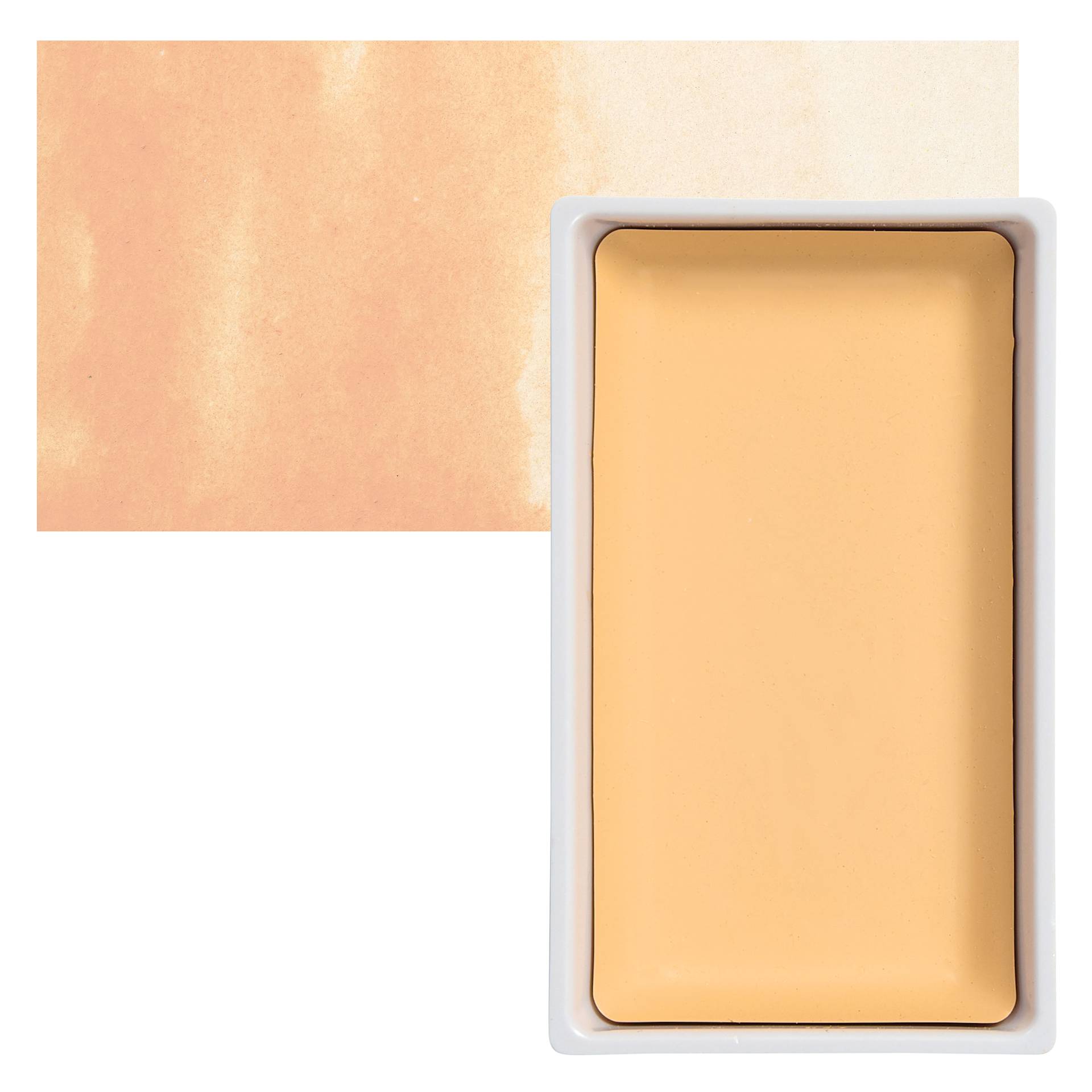
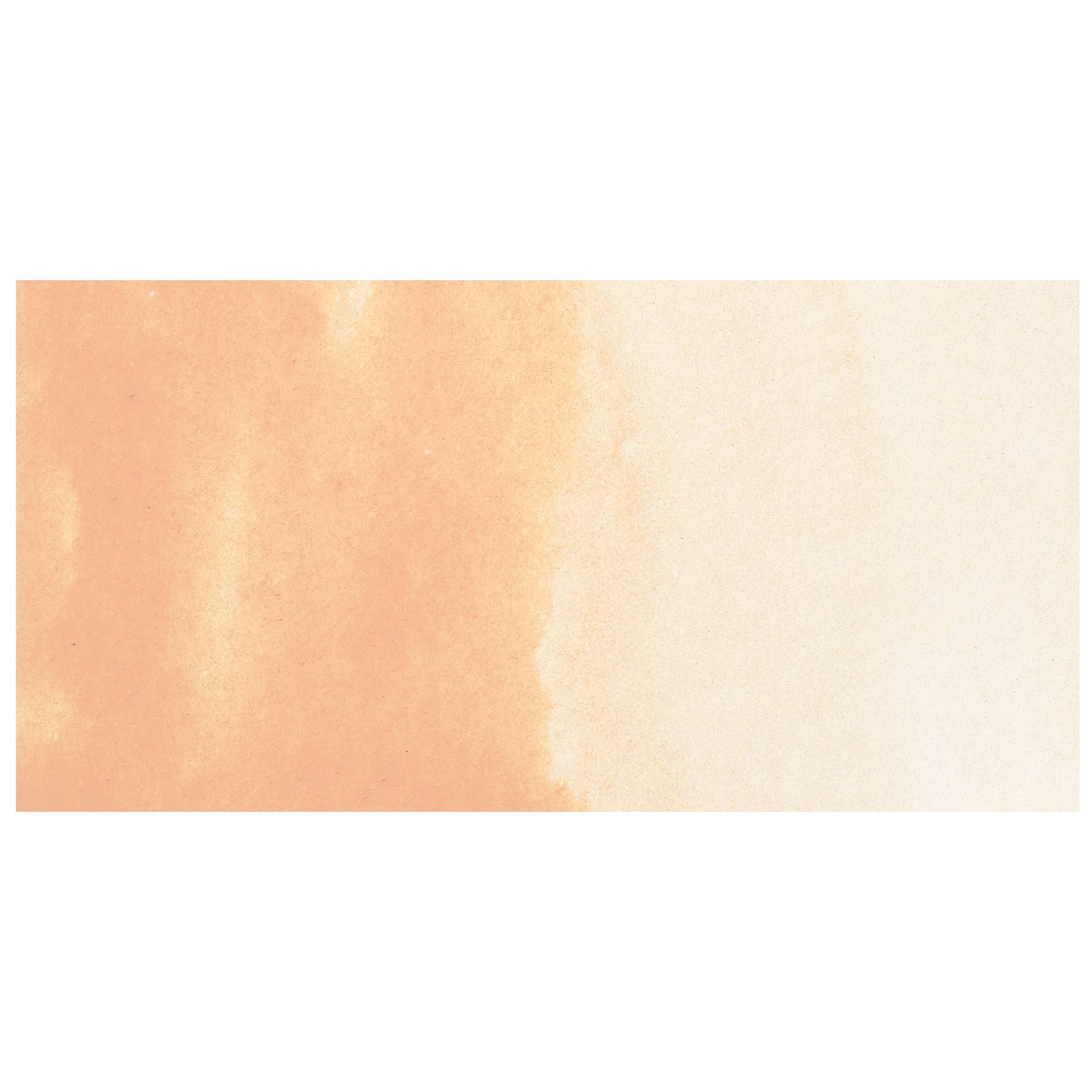
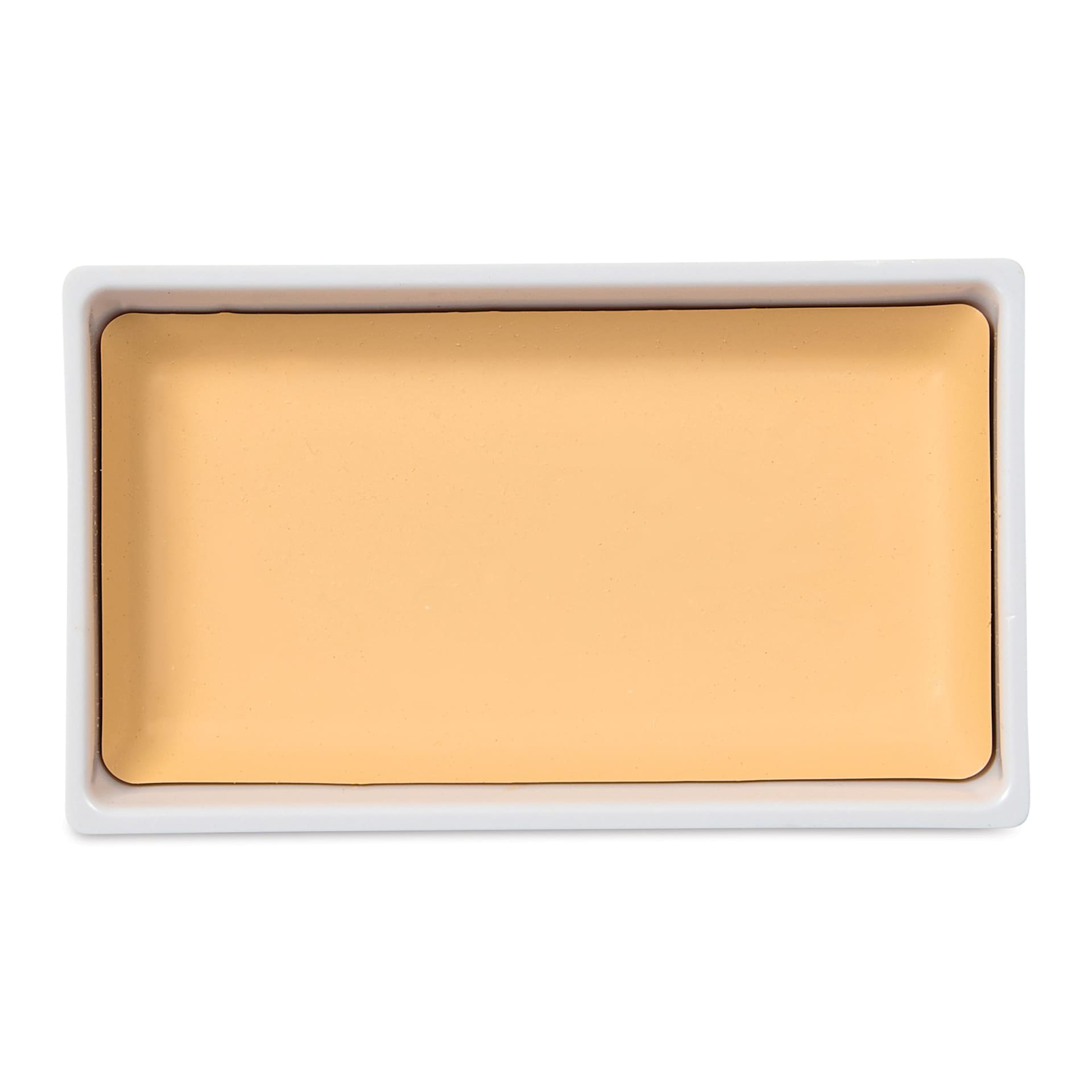
Kuretake Gansai Tambi Watercolor Pan - Rose Beige
Save For Later
My Wish Lists
Product Details
- No.
- 12
- Description:
- Watercolor Pan
- Color:
- Rose Beige
- Format:
- Pan
- Size:
- Full Pan
Reviews
Pigment Information
This color contains the following pigments:
PW6-Titanium White
PY42-Yellow Iron Oxide
PR48:3-Permanent Red
Pigment Name
PW6-Titanium White
Pigment Type
inorganic
Chemical Name
titanium dioxide
Chemical Formula
TiO2
Properties
Titanium White is the most brilliant of the white pigments. It is considered an all purpose oil color useful in all techniques and the best all around white. Its masstone is neither warm nor cool, placing it somewhere between Lead White and Zinc White. It is less prone to cracking and yellowing than Lead White, but it still yellows easily. Titanium White dries slowly in oil form, more slowly than Lead White but more quickly than Zinc White. It is opaque in oil and acrylic forms and semi-opaque in watercolor form. This pigment has good chemical stability, and its tinting strength is superior to both Lead White and Zinc White.
Permanence
Titanium White has excellent permanence and lightfastness.
History
Titanium is the ninth most abundant element in the Earth's crust, however mineral deposits that are economical to mine are less common. Titanium dioxide was first discovered in 1821, although it could not be mass produced until 1919. Widespread use of the pigment began in the 1940s. Since that time, it has become the most commonly used white pigment. The name comes from the Latin word Titan, the name for the elder brother of Kronos and ancestor of the Titans, and from the Greek word tito, meaning day or sun.
Pigment Name
PY42-Yellow Iron Oxide
Chemical Name
iron(III)-oxide, hydrated
Chemical Formula
Fe2O3 • H2O
Properties
Yellow Ochre provides artists with earthtones from cream to brown. It has good hiding power, produces a quick drying paint, and can be safely mixed with other pigments. Its transparency varies widely from opaque shades to more transparent ones, which are valued for their use as glazes. If gypsum is present, Yellow Ochre is not suitable for frescoing. (See Brown Ochre, PY43.) PY42 is made from synthetic iron oxides. PY43 is made from natural iron oxide.
Permanence
Yellow Ochre has excellent permanence because ochres are some of the most permanent pigments available.
History
Ochre comes from the Greek word ochros, meaning pale yellow. It was one of the first pigments to be used by human beings, and evidence of its use has been found at 300,000 year old sites in France and the former Czechoslovakia.
Pigment Name
PR48:3-Permanent Red
Pigment Type
organic, monoazo
Chemical Name
beta-oxynaphthoic acid lake, strontium salt
Properties
Permanent Red is a common name used for the strontium salt of beta-oxynaphthoic acid (BONA) lake pigment PR:48. It is substantially bluer than other shades of PR:48. BONA pigment lakes tend to have high tinting strength, however the tinting strength of PR48:3 is only average.
Permanence
Beta-oxynaphthoic acid (BONA) lake pigments are more lightfast than their beta-naphthol counterparts. Although their lightfastness makes them the pigment of choice in many applications, they may shift slightly in color or lose intensity under some conditions. Pigment PR48:3 has been reported to be the most lightfast of the BONA lake pigments.
History
Pigment Red PR48:3 is a lake pigment of beta-oxynaphtholic acid, a dye that resembles the common beta-Naphthol pigments. Beta-oxynaphthoic acid may have been synthesized as early as 1887. Commerical use of BONA lake pigments began in the 20th century. PR48:3 is used in printing, plastics, architectural paints, and industrial finishes.
Safety Data Sheet
UPC Code: 847340038740